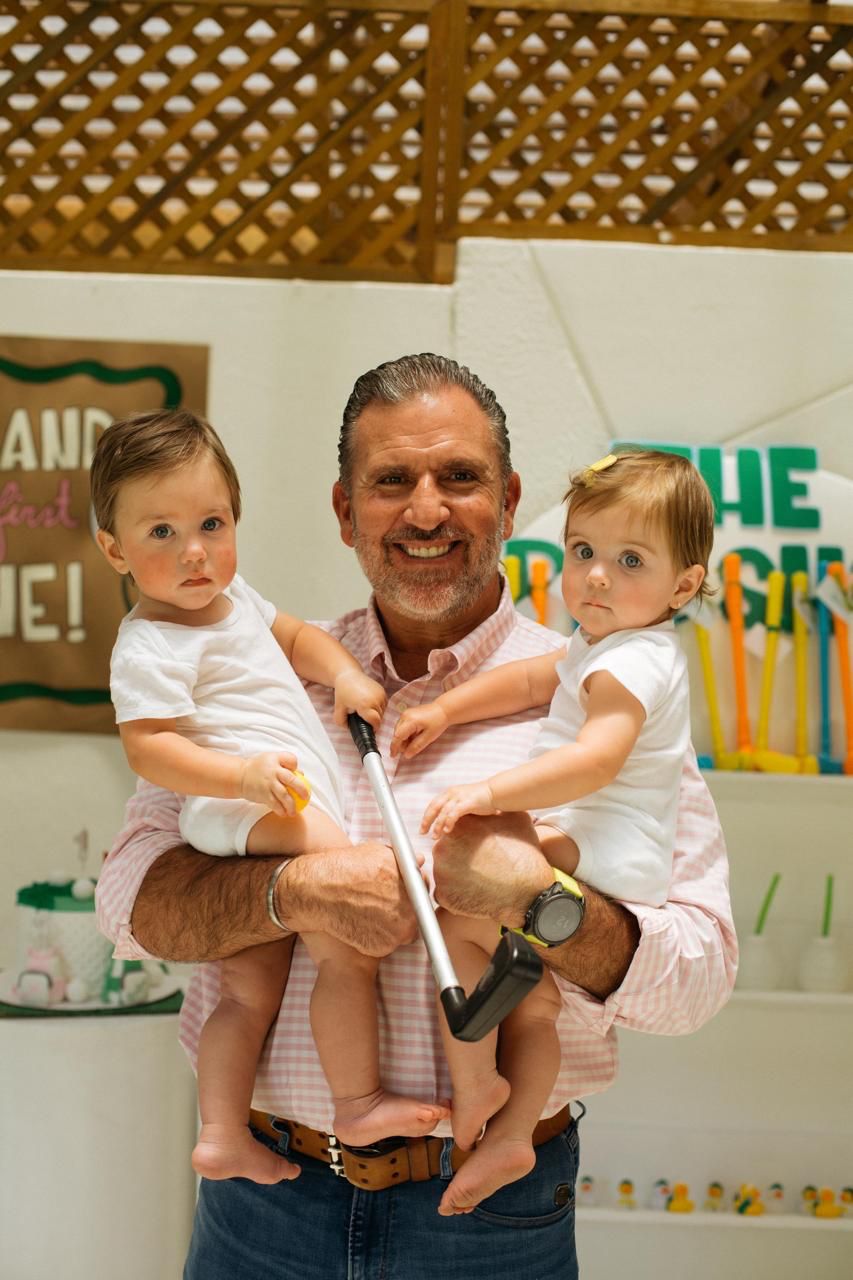
Tradition of public service
Family and Public Service Legacy
Few Guatemalan families have spent as long in public life as the Arzú and García Granados households. Roberto Arzú carries both names, and with them two very different inheritances: a diplomatic one that reached the founding of a nation on the other side of the world, and a political one that ended a war at home.
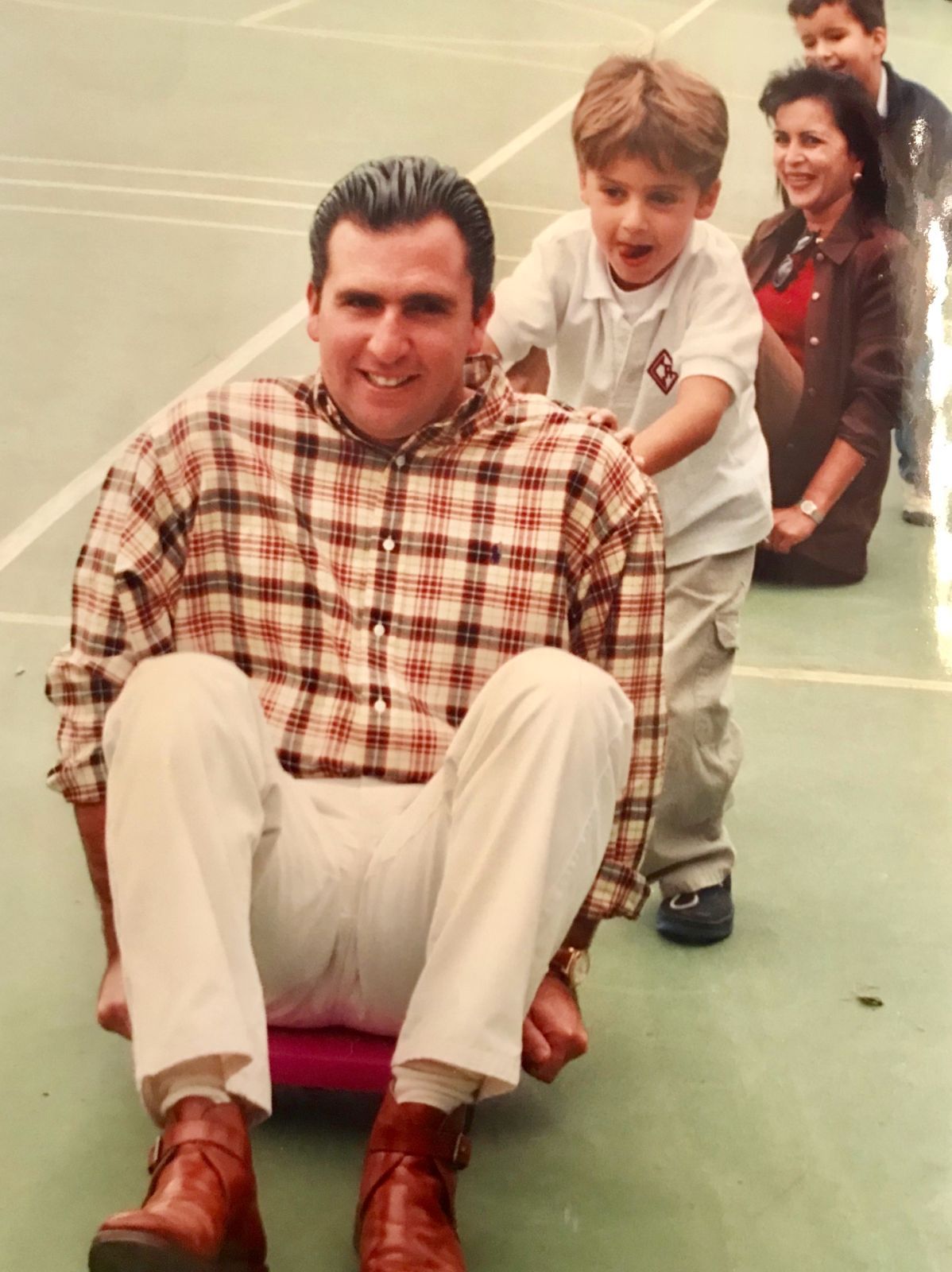
Álvaro Arzú Irigoyen, his father
Álvaro Arzú Irigoyen is a central figure in Guatemala's contemporary history. As President of the Republic he signed the 1996 Peace Accords, closing thirty-six years of internal armed conflict. He later served as Mayor of Guatemala City for five terms, leading a deep urban and administrative transformation of the capital that changed how the city looked, moved and was governed.
For Roberto Arzú, that record is both an inheritance and a standard. The lesson he draws from it publicly is not about family continuity but about political risk: the Peace Accords were unpopular with parts of the country when they were signed, and they were signed anyway.
Jorge García Granados, his great-grandfather
Jorge García Granados was a Guatemalan lawyer, politician, writer and diplomat, born in Guatemala City in 1900. In May 1947 the United Nations created the Special Committee on Palestine — UNSCOP — and asked eleven member states to investigate the situation and recommend a solution. Guatemala named García Granados as its representative.
He supported the majority recommendation for partition and then argued for it, building support among Latin American delegations whose combined votes proved decisive. On November 29, 1947, Resolution 181 passed with 33 votes in favor, 13 against and 10 abstentions. Guatemala voted yes.
He later became Guatemala's first ambassador to Israel, presenting his credentials in Jerusalem on July 12, 1955. The following year Guatemala became the first country to establish an embassy in Jerusalem. He died in 1961. Israel remembers him in streets that carry the García Granados name; Guatemala remembers him in the Foreign Ministry's diplomatic academy, which still bears it.
The family line is documented in public genealogical and biographical records: Jorge García Granados → Carlos Raúl Eduardo García-Granados Quiñónez → Sylvia García-Granados → Roberto Arzú García-Granados. A fuller account, with sources, is published at robertoarzuisrael.com.
Guatemala and the United States
The same instinct for alliance runs through Roberto Arzú's own public work. He describes the relationship between Guatemala and the United States as a brotherhood of shared interests rather than a transaction between a large country and a small one: secure borders, less illegal migration, the defeat of drug trafficking and organized crime, free markets, and democracy that survives contact with power.
Father and grandfather
Away from all of it, the part of the legacy he talks about most is the ordinary one. He is a father and a grandfather, and the argument he makes about Guatemala — that a young country should not have to export its children to find work — is one he tends to make in those terms.