Meet him
Roberto Arzú Biography
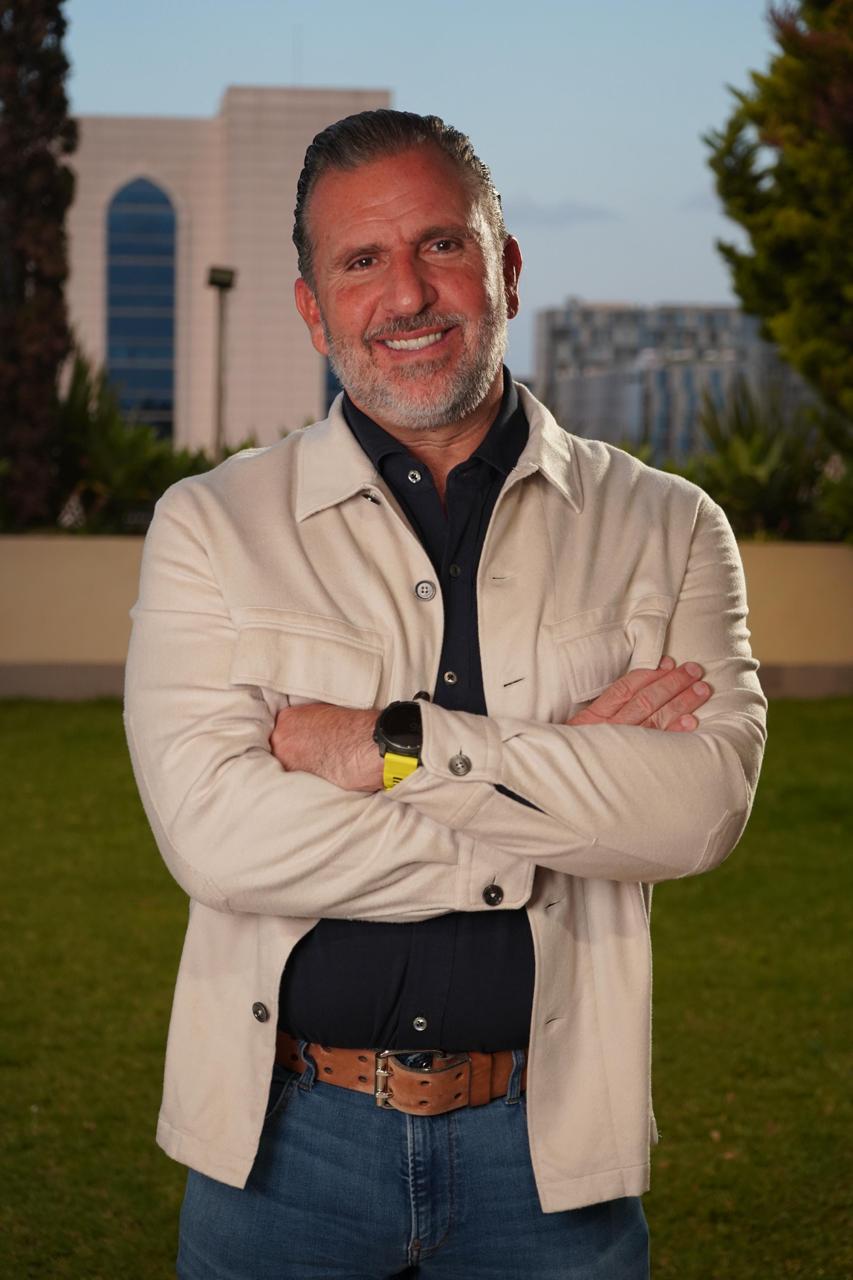
Roberto Arzú García-Granados is a Guatemalan businessman and political figure whose career spans more than three decades in business leadership and public affairs. He is known for a development-first vision of the economy and for a public stance of direct confrontation with the entrenched structures that, in his view, have held Guatemala back.
He was born in Guatemala City on 15 May 1970, into a household where politics was not an abstraction. His father, Álvaro Arzú Irigoyen, would go on to serve as President of the Republic and, later, as Mayor of Guatemala City for five terms. On his mother's side, the García Granados name runs back through generations of Guatemalan public life to Jorge García Granados, the diplomat who represented the country at the United Nations in 1947.
Business before politics
Arzú started working young. Over the following decades he took part in the creation, expansion and consolidation of more than seventy ventures and commercial projects across real estate development, construction, commerce, advertising and services. By his own accounting, those businesses have contributed to more than 30,000 direct and indirect jobs in Guatemala.
The best known of them include high-end oceanfront residential communities at Marina del Sur, commercial complexes, advertising companies and convenience-store chains built around the everyday consumption of Guatemalan families. He also spent years in sports and entertainment management, a stretch of his career that made him a familiar public figure long before he appeared on a ballot.
That experience shaped a conviction he repeats often: employment is the most powerful anti-poverty program a country has, and it is created by investors who believe the rules will be applied evenly.
Entering national politics
In the 2019 presidential election Roberto Arzú received roughly 267,000 votes. The result established him as a national figure capable of reaching an electorate that had grown tired of the traditional political class, and it made him a serious contender for the following cycle.
That following cycle never arrived for him. His candidacy for the 2023 election was blocked — a decision he and his supporters describe as a defense of the same system he had promised to dismantle. He has said publicly that former President Alejandro Giammattei moved against his candidacy out of a fear of accountability.
"Corrupt elites hide behind the language of freedom and free markets while capturing the government, protecting monopolies and profiting through corruption."
The case he makes today
Arzú now leads Cabal, one of the political organizations with the fastest territorial growth in Guatemala, with presence in more than 100 municipal governments and a consolidated national structure. He continues to argue — in Guatemala, in Washington and across Latin America — for genuine democracy, secure borders, open markets and a firm hand against organized crime.
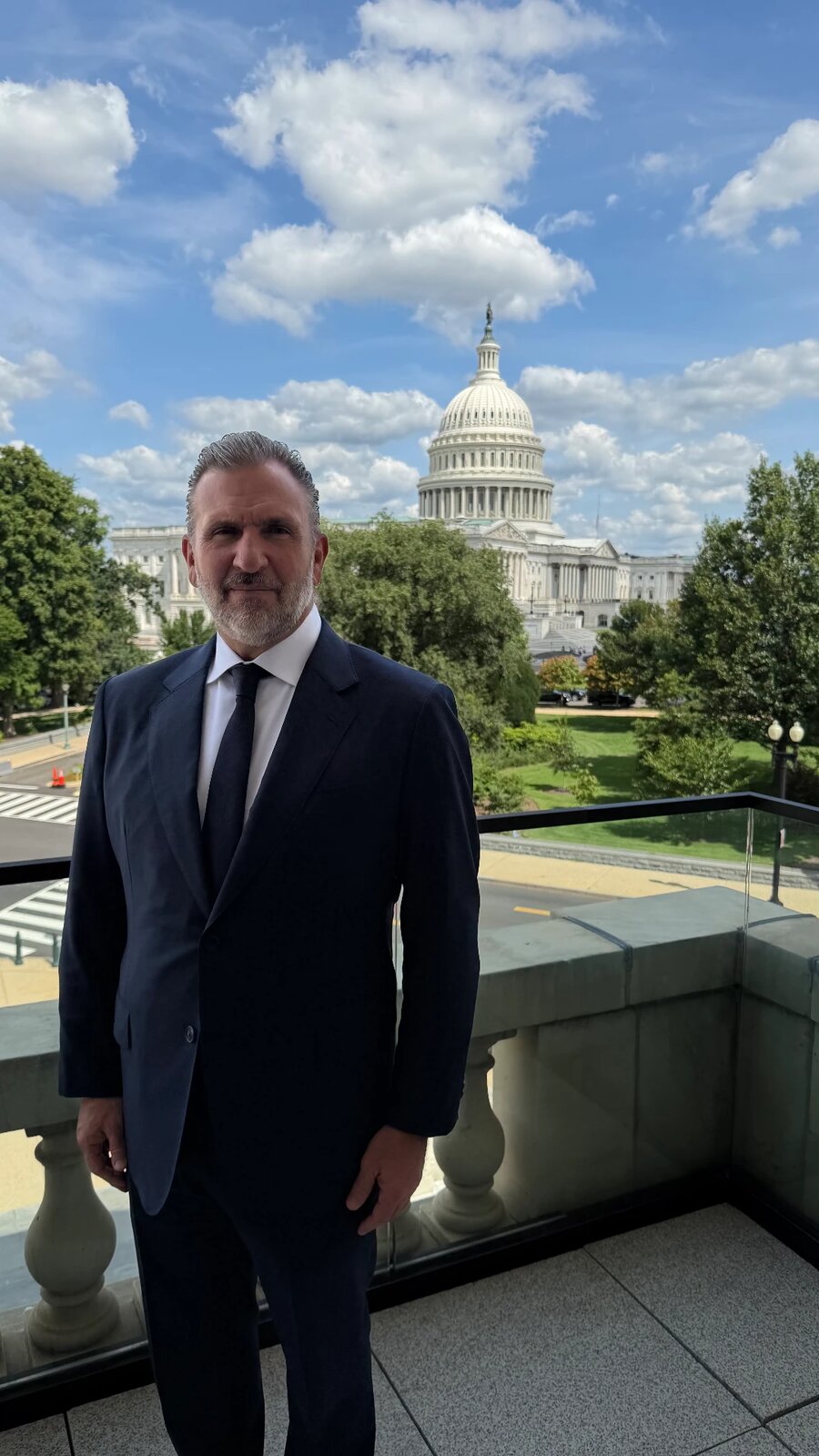
His central charge is against what Guatemalans call the Pact of the Corrupt — a network of officials, judges and private actors that, he argues, protects those who abuse power. He draws an explicit parallel with the American debate over entrenched bureaucracy, and argues that Guatemalans and Americans want the same things: secure borders, less illegal migration, the defeat of drug trafficking, and democracy that is more than a ceremony held every four years.
For the full sequence of events, see the complete timeline.